

Island Extractor Fans For Downdraft Hobs
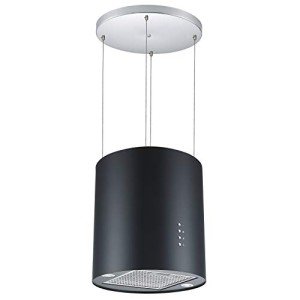
Island extractor fans do precisely what you would anticipate-- they keep your kitchen totally free from smoke and bad smells. They are available in various designs and can either be ducted or use charcoal filters for recirculating extraction.
They are perfect for cooking areas with low ceilings or minimalist styles as they blend into the space rather than sticking out. They are also quieter than ceiling hoods.
Induction downdraft hobs
Induction downdraft hobs are a kind of cooking home appliance that integrates an integrated extractor fan. These work in a similar method to a standard hood, but they're more visually pleasing and do not require an eliminated in the ceiling. They're perfect for open-plan spaces and can assist produce a modern-day, minimalist look in your kitchen. However, they're not without their disadvantages.
Downdraft extraction fans sit flush with your counter top when not in usage and increase up from the back of the hob when triggered. This helps to get rid of steam, odours and smoke from your kitchen and is far more efficient than a standard hood in terms of venting. They likewise generally included two 2 metre ducting tubes which can be linked to the motor to either externally vent or to allow recirculation (although this will lower extraction effectiveness).
Because island extractor hood are set up straight beneath your counter, they take up more area than other kinds of extractors. This might limit your storage options and can make it tough to include additional hobs or home appliances. They're likewise more pricey than other extractors, however the increased performance makes them a rewarding investment.
One of the most significant drawbacks of a downdraft hob is that it's not as effective at pulling in steam and odours from pots positioned at the front of your counter. As an outcome, you will need to clean up the grease filters more often than if you had a standard hood.
Another drawback of a downdraft hob is its restriction to simply 4 cooking zones. This could be troublesome if you often prepare several meals at the exact same time and wish to vary the temperatures of each.
Venting hobs can be externally vented or use recirculation, which is more energy-efficient. However, they're more difficult to set up than other extractors and need to be fitted by a certified electrician. They can also be vulnerable to leaking and must be cleaned regularly to ensure they're operating correctly.
LED lighting
The latest kitchen extractor fans can do a lot more than just remove odours and steam-- they're typically created to make a statement, with functions like LED lighting. Whether you select a standard curved island canopy hood like the CDA EKPK90BL or something more minimalist such as the ECNK91SS flat glass island extractor, these creative systems look as trendy when they're off as they do on and can add a real centerpiece to your cooking location.
LED lighting is ideal for kitchen extractors, as it produces a brighter environment around the cook without producing any heat. Unlike incandescent bulbs, LEDs are strong and can be made little enough to suit a little, slim fixture. They're likewise energy-efficient, so they do not need a lot of power to produce the exact same quantity of light. Moreover, they do not discharge hazardous UV radiation, making them safer for individuals and pets.
One of the most common types of kitchen extractor fan is a downdraft system, which can be installed beneath your countertop. These clever units can come down underneath the hob when triggered, and they can be decreased as low as your worktop to provide you more area. They're normally rather effective, and many have smart functions that will make them even more useful in your cooking area.
Downdraft extractors can consist of integrated LED lights, which can be an excellent way to save area. These lights can be dimmed to match the brightness of your kitchen, and they'll shut off when you're completed. They can likewise be set to turn on automatically in the evening, which will help to save much more energy and cash.
Another benefit of LEDs is their sturdiness. They can hold up against heats without burning or stopping working, which is necessary since kitchens are infamously hot environments. They can also last for 35 to 50 times longer than incandescent and CFL bulbs, reducing maintenance expenses. In addition, they run cool, which can safeguard your walls and ceilings from the staining that can occur when hot bulbs are installed. island hood include a variety of wise functionality, consisting of motion sensors and automatic daylight shut-off.
Several extraction speeds
There are a lot of options when it pertains to extractor fans for island hobs. You can go with a standard chimney design that sits proudly above your hob, or a more discreet canopy extractor that is constructed into the ceiling and can be developed to mimic the shape of your kitchen. Both can use multiple extraction speeds to fit the amount of steam generated when cooking.
If you choose a sleeker look you can likewise pick an inline extractor fan that isn't visible from the space. These suit duct work that ranges from the extractor fan through a loft area or void and after that out to an external vent, usually on your roofing or wall. They are great for larger open plan spaces that do not have the room for an island cooker hood and are readily available in both centrifugal and axial designs.
Alternatively, you can also go with a downdraft design that descends from the ceiling listed below your island hob when triggered. This nifty choice is frequently used to replace standard wall mounted hoods in homes that are set further than six metres from an external wall and can be set up behind the hob or beneath your cabinets.
Both types of extractor fan are ideal for removing wetness, odours, heat and smoke from the air around your hob when you're cooking. They can likewise be made use of in kitchens with a range of other home appliances, such as coffee devices or microwaves, to help eliminate steam and cooking odours from the general space.
You can also update your kitchen's functionality with a wise extractor fan that lets you manage the operating settings using your smartphone app. This can consist of timer functions that permit the extractor to run for a duration of time after it has actually been turned off or a delay start function which permits you to adjust the timing of when your extractor will switch on. A lot of these extractor fans included LED lighting that can be switched to light up the task area for included presence and security. They are likewise more energy effective than traditional fan designs.
Washable filters
Normally used in conjunction with an island cooker hood, these filters are developed to strive to get rid of steam, fumes and odours from your kitchen. A filthy hood filter can result in your range hood not working as efficiently, so it's essential to routinely clean the grease and gunk from your metal grill. Fortunately, while cleaning hood filters might not be everyone's preferred task, it is fast and easy to do with a little warm soapy water.
The external shell of an island extractor fan can likewise be cleaned in a comparable method to incorporated cooker hoods. You can use warm soapy water and a sponge to get rid of any grease or dirt that has developed, making it a lot easier to maintain the tidy and beautiful appearance of your kitchen hood. However, as an island extractor fan has more surface location to cover than incorporated cooker hoods, it will take a bit longer to thoroughly clean your filters.
If your extractor hood is fitted with standard charcoal or paper filters, it's essential to change these regularly as they can not be cleaned and will ultimately start to break down. This will avoid the odour-neutralising properties of the filter from working and can even affect the efficiency of your extractor hood as a whole.
On the other hand, washable grease filters are made from aluminium or stainless-steel and can be quickly cleaned with a sponge and soapy water. This makes them the ideal option if you're looking for a smarter, greener option to standard disposable filters.
To clean your dishwashing machine filters, merely position them in a sink or basin loaded with hot soapy water and leave them to soak for a couple of minutes. Then, using a soft brush or sponge, carefully scrub the filter, paying special attention to any locations that have heavy grease build-up. Then, rinse the filter and enable to dry fully before replacing it.
In addition to being eco-friendly, cleaning your dishwasher filters can also assist to decrease the quantity of dust and dirt that is launched into the air in your home. Keeping your dishwashing machine tidy will likewise make it work more efficiently, as it won't be forced to work more difficult than required to get the particles from your dishes and cookware.